What Do People From Spain Look Like? Diversity Behind the Stereotypes
Table of Contents
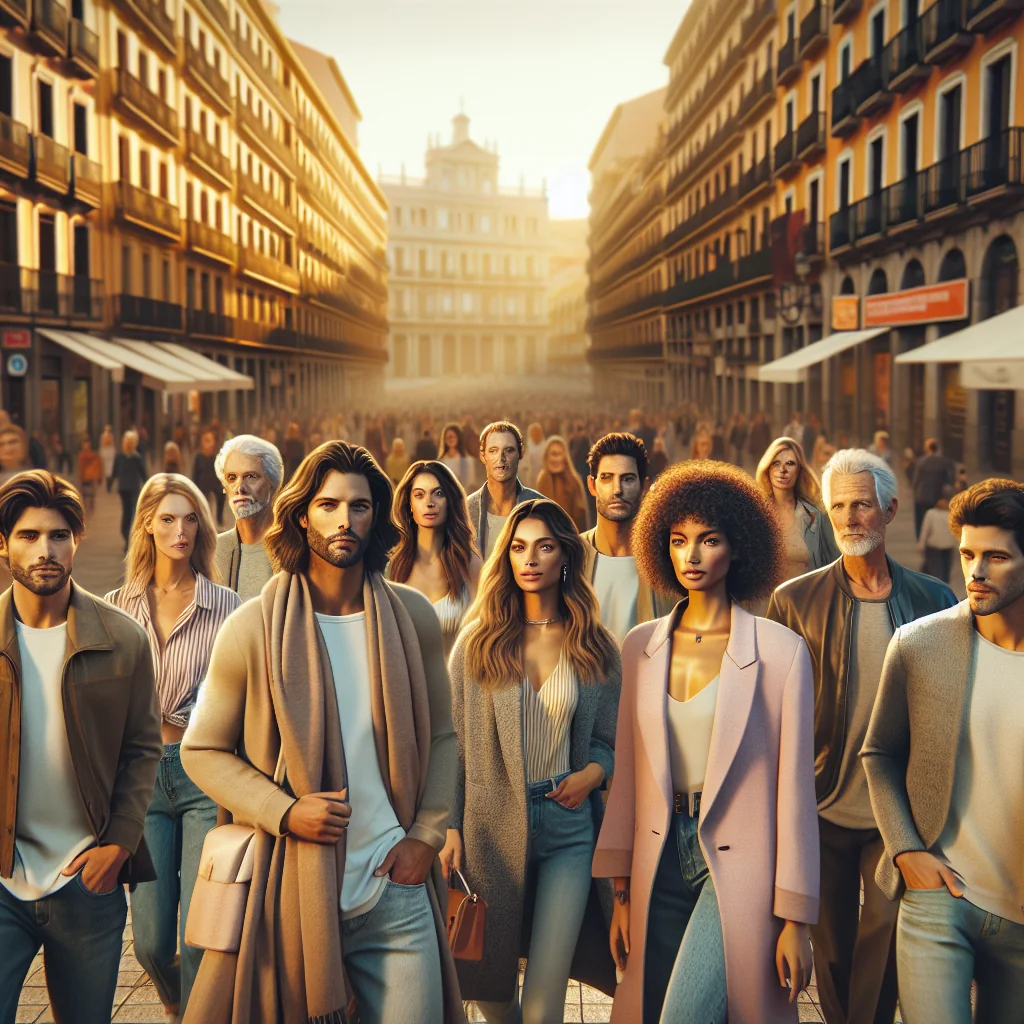
Many people search “what do people from Spain look like” and hope for one clear answer. They might imagine dark hair, tanned skin, and brown eyes. In real life, Spanish people show wide physical diversity, shaped by geography, history, and migration. There is no single “Spanish look,” but there are patterns, stereotypes, and regional trends that can help you form a more realistic picture.
Why There Is No Single “Spanish Look”
Spain is a European country with strong regional identities and a long, mixed history. Different peoples have lived on the Iberian Peninsula for thousands of years, including Iberians, Celts, Romans, North Africans, and other groups. Over time, these populations mixed, which helped create the wide range of faces you see in Spain today.
Modern Spain also includes immigrants from Latin America, North Africa, sub‑Saharan Africa, other parts of Europe, and Asia. Children of these communities are Spanish too. So if you ask what people from Spain look like, the honest answer is: many things at once.
Still, people often want a general idea. We can talk about common features, but always remember these are trends, not rules. A Spanish passport does not guarantee a certain eye color, hair color, or skin tone.
Common Physical Features People Associate With Spain
Even with huge variety, some physical traits appear often enough that many people link them with Spain. These are broad patterns, and plenty of exceptions exist in every region and age group.
- Hair color: Many Spanish people have dark brown or medium brown hair, though blond and light brown hair are also present, especially in the north.
- Eye color: Brown eyes are very common, but green and hazel eyes are also frequent, and blue eyes appear more in northern and inland regions.
- Skin tone: Skin tones range from very fair to deep olive and darker. Many people have light to medium skin that can tan easily in the sun.
- Facial features: You may see straight or slightly wavy hair, strong or straight noses, and oval or round face shapes, but there is no single “Spanish face.”
- Height and build: Heights and body types vary widely, similar to other Western European countries, with no extreme pattern one way or another.
These traits are common in many Mediterranean and European countries, so someone from Spain may look similar to people from Italy, Portugal, southern France, or parts of Latin America. Appearance alone rarely tells you exactly where a person is from.
Regional Diversity: North, Center, and South of Spain
Asking what people from Spain look like is a bit like asking what people from “all of Europe” look like. Within Spain, regions can show slightly different average features, shaped by climate, history, and past movement of people.
Northern Spain: Often Lighter Features
In many parts of northern Spain, such as Galicia, Asturias, Cantabria, the Basque Country, and parts of Navarra, you may notice a higher share of lighter hair and eye colors. People here can have fair or light skin and sometimes freckles, especially in coastal and mountainous areas.
Some visitors are surprised to see Spanish people with blond hair and blue or green eyes, but these features are not rare in the north. That said, dark hair and brown eyes are still very common here too, so you see a full mix.
Central Spain: Mixed Mediterranean and Continental Traits
In central regions such as Madrid, Castilla y León, and Castilla‑La Mancha, you see a broad mix of features. Brown hair and brown eyes are very frequent, but you also meet many people with hazel or green eyes and lighter hair.
These areas sit between different regions, so they tend to show averaged traits. Large cities like Madrid also attract people from every region of Spain and from abroad, which adds to the mix of looks and styles.
Southern and Eastern Spain: Classic Mediterranean Look
In Andalusia, Murcia, Valencia, and parts of Catalonia and the Balearic Islands, you often find what many people imagine as the “Mediterranean look.” That can mean darker hair, brown eyes, and skin that tans quickly under strong sun.
However, even in the south you will meet fair‑skinned and light‑eyed people. Coastal regions have long histories of trade and contact with other cultures, which adds to the variety of faces and tones you see on the street.
Visual Patterns by Region: Quick Comparison Table
The table below sums up some broad visual trends across different parts of Spain. These are averages, not strict rules, and every region includes a wide range of appearances.
| Region | More Common Hair Colors | More Common Eye Colors | Typical Skin Tone Range |
|---|---|---|---|
| Northern Spain (Galicia, Asturias, Basque Country) | Medium brown, dark brown, some blond | Brown, hazel, green, some blue | Fair to medium, some freckled |
| Central Spain (Madrid, Castilla y León, Castilla‑La Mancha) | Dark brown, medium brown, light brown | Brown, hazel, some green | Light to medium, some olive |
| Eastern Spain (Valencia, Catalonia, Balearic Islands) | Dark brown, medium brown | Brown, hazel | Light olive to medium, often tans easily |
| Southern Spain (Andalusia, Murcia) | Dark brown, black, some medium brown | Brown, dark brown, some hazel | Medium to darker olive, often strong tanning |
| Canary Islands | Dark brown, black | Brown, dark brown | Medium to dark, sometimes very deep tones |
This comparison shows why there is no single answer to what people from Spain look like. A person from northern Galicia may look quite different from someone from the Canary Islands, yet both are equally Spanish.
What Do People From Spain Look Like Compared to Latin Americans?
Spanish people and many Latin Americans can look very similar, because Spain was a major source of European ancestry in Latin America. But Latin American countries also include Indigenous, African, Asian, and other European roots, which create different mixes from country to country.
A person from Spain might be mistaken for someone from Mexico, Argentina, Colombia, or Chile, and the other way around. Accent and language use usually give more clues than appearance. Clothing style, body language, and expressions can also hint at where someone grew up, but even these are not perfect signs.
In short, you cannot reliably tell if someone is from Spain or Latin America just by looking at the person. Many people from both regions share similar hair colors, eye colors, and skin tones, so guesses based on looks alone are often wrong.
Spanish People of Different Ethnic Backgrounds
Modern Spain is multiethnic. There are Spanish citizens whose families come from many parts of the world. They are just as Spanish as someone whose grandparents lived in a small village for generations.
You will find Spanish people with North African ancestry, especially in regions like Andalusia, Catalonia, and the enclaves of Ceuta and Melilla. Many families have Latin American roots, including people with Indigenous, African, and mixed heritage. There are also Spanish citizens with sub‑Saharan African, Asian, and Eastern European backgrounds, often centered in larger cities.
Because of this, answering “what do people from Spain look like” without mentioning diversity would be misleading. Spanish identity is civic and cultural, not limited to a single skin color or face type. A Spanish person can look very different from the stereotype and still be fully part of Spanish society.
Challenging Stereotypes About Spanish Appearance
Popular media often shows Spanish people as flamenco dancers, football stars, or sun‑tanned beachgoers. These images can be fun, but they are stereotypes, not a complete picture of daily life in Spain.
Some common stereotypes include the idea that all Spanish people have dark hair and dark eyes, that everyone is tanned and lives near the beach, or that Spanish people look very different from people in the rest of Europe. These ideas are too simple and ignore real variety.
In reality, you can meet very pale Spanish people who sunburn easily, and others with deep brown skin. You will find Spanish people who look quite similar to Italians, Portuguese, French, or even some Central and Northern Europeans. Stereotypes hide this wide range and can lead to unfair assumptions.
How History Shaped How People From Spain Look
You cannot fully answer what people from Spain look like without talking about history. The Iberian Peninsula has seen many groups and cultures over thousands of years, and each left traces in today’s population.
Ancient Iberian and Celtic tribes lived there before the Romans. Later, Germanic groups arrived, followed by centuries of Islamic rule from North Africa in parts of the territory. Trade and movement across the Mediterranean brought contact with many other peoples, including merchants and travelers from different regions.
Over long periods, these groups mixed. This slow blending helped create the wide range of features seen in Spanish people today. Modern migration continues to add new layers to that story, as new generations grow up Spanish with roots in many different countries.
Why You Cannot Identify a Spanish Person by Appearance Alone
Even if you know the common traits and regional patterns, you still cannot look at a stranger and be sure that person is from Spain. Many countries share similar features, especially around the Mediterranean and in Latin America.
A person in Spain might have blond hair and blue eyes and speak perfect Spanish as a native. Another person might have dark skin, curly hair, and also be native Spanish from birth. Both are equally Spanish, even though they fit very different mental images.
This is why asking people directly, listening to their accent, or learning about their background gives better information than guessing based on looks. Appearance alone is a poor guide to nationality, and relying on it can lead to awkward or hurtful mistakes.
Respectful Curiosity: How to Think About Spanish Appearance
Wondering what people from Spain look like is a normal question, especially if you plan to visit or study Spanish culture. The key is to stay curious without turning people into stereotypes or making them feel judged by their appearance.
A useful mindset is this: expect variety, not a single model. Know that you will see many brown‑haired, brown‑eyed people, but also plenty of lighter and darker features. Expect to meet Spanish people of different ethnic backgrounds and family histories, and let that variety update your mental image of Spain.
The short guide below sums up how to approach the topic in a respectful way.
- Remember that “Spanish” is a nationality and culture, not a single face.
- Use common traits as loose patterns, not as strict rules for every person.
- Notice regional trends, but allow for exceptions in every part of Spain.
- Avoid guessing someone’s origin based only on skin tone, hair, or eyes.
- Ask polite questions if you are curious, and accept the answer you hear.
In the end, Spanish identity is shaped more by language, culture, and shared life than by one fixed appearance. The streets of Madrid, Barcelona, Seville, Bilbao, and many smaller towns show that clearly: Spanish people look like many things, and that wide range is part of what makes Spain interesting.